
Cannabinoids in Skin Health: Research and Studies
Cannabidiol in Skin Health: A Comprehensive Review of Topical Applications in Dermatology and Cosmetic Science
Cannabidiol (CBD), a non-psychoactive phytocannabinoid derived from Cannabis sativa L., has emerged as a promising multifunctional agent in dermatology and cosmetic science. The review provides an updated synthesis of CBD’s topical therapeutic potential, challenges, and evolving regulatory frameworks. CBD exhibits diverse biological effects, including anti-inflammatory, antioxidant, antibacterial, analgesic, lipostatic, antiproliferative, moisturizing, and anti-aging properties, through interactions with the skin’s endocannabinoid system (ECS), which modulates CB1, CB2, TRPV channels, and PPARs. Preclinical and clinical evidence support its efficacy in managing acne, psoriasis (including scalp psoriasis), atopic and seborrheic dermatitis, and allergic contact dermatitis. CBD also relieves pruritus through neuroimmune modulation and promotes wound healing in conditions such as pyoderma gangrenosum and epidermolysis bullosa. In hair disorders such as androgenetic alopecia, it aids follicular regeneration. CBD shows promise in managing skin cancers (melanoma, squamous cell carcinoma, and Kaposi sarcoma) and pigmentation disorders such as melasma and vitiligo. It enhances skin rejuvenation by reducing oxidative stress and boosting collagen and hydration. However, there are challenges regarding CBD’s physicochemical stability, skin penetration, and standardization of regulatory requirements. As consumer demand for natural, multifunctional skincare grows, further research is essential to validate its long-term safety, efficacy, and optimal formulation strategies.
Rusu A, Farcaș AM, Oancea OL, Tanase C. Cannabidiol in Skin Health: A Comprehensive Review of Topical Applications in Dermatology and Cosmetic Science. Biomolecules. 2025 Aug 23;15(9):1219. doi: 10.3390/biom15091219. PMID: 41008526; PMCID: PMC12467061.
The Potential Role of Cannabidiol in Cosmetic Dermatology: A Literature Review
Cannabidiol (CBD) is a non-psychotropic cannabinoid with multiple pharmacological properties. Cannabidiol has attracted growing attention in the cosmetic industry, with an increasing number of CBD-containing skincare products on the market recently. This review aims to evaluate the current evidence on the use of CBD for cosmetic purposes. Following an overview of CBD and the endocannabinoid system in the skin, we summarize preclinical and clinical studies that address the potential of CBD in cosmetic dermatology. Available in vitro and in vivo evidence suggests that CBD has antioxidant, anti-inflammatory, moisturizing, anti-acne, wound-healing, and anti-aging properties. However, only a few clinical studies have been conducted on the use of CBD in the skin. In addition, there is a critical need to develop an efficient drug-delivery system for topical/transdermal application of CBD. Further research, including clinical and pharmacokinetic studies, is necessary to evaluate the role of CBD in cosmetic dermatology fully.
Kuzumi A, Yoshizaki-Ogawa A, Fukasawa T, Sato S, Yoshizaki A. The Potential Role of Cannabidiol in Cosmetic Dermatology: A Literature Review. Am J Clin Dermatol. 2024 Nov;25(6):951-966. doi: 10.1007/s40257-024-00891-y. Epub 2024 Oct 5. PMID: 39369127; PMCID: PMC11511700.
Cannabis sativa and Skin Health: Dissecting the Role of Phytocannabinoids
The use of Cannabis sativa is currently recognized to ease certain types of chronic pain, reduce chemotherapy-induced nausea, and improve anxiety. Nevertheless, few studies have highlighted the therapeutic potential of C. sativa extracts and related phytocannabinoids for various disorders, including acne, atopic dermatitis, psoriasis, pruritus, and pain. This review summarizes the current evidence on the effects of phytocannabinoids at the cutaneous level, based on a comprehensive collection of in vitro, in vivo, and clinical studies published on PubMed, Scopus, Embase, and Web of Science up to October 2020. Phytocannabinoids have demonstrated potential anti-inflammatory, antioxidant, anti-aging, and anti-acne properties through various mechanisms, involving both CB1/2-dependent and independent pathways. Not only classical immune cells but also several skin-specific actors, such as keratinocytes, fibroblasts, melanocytes, and sebocytes, may represent targets for phytocannabinoids. Cannabidiol, the most extensively investigated compound, exhibits photoprotective, antioxidant, and anti-inflammatory mechanisms at the cutaneous level. However, its possible impact on cell differentiation, particularly in cases of psoriasis, warrants further investigation. Animal models and pilot clinical studies supported the application of cannabidiol in inflammatory-based skin diseases. Furthermore, promising applications of non-psychotropic phytocannabinoids are the treatment of seborrheic disorders, especially acne. In conclusion, the incomplete understanding of the role of the endocannabinoid system in skin disorders has emerged as a significant limitation for pharmacological investigations. Moreover, the limited studies conducted on C. sativa extracts suggested a higher potency than single phytocannabinoids, thus stimulating new research on phytocannabinoid interaction.
Martinelli G, Magnavacca A, Fumagalli M, DellʼAgli M, Piazza S, Sangiovanni E. Cannabis sativa and Skin Health: Dissecting the Role of Phytocannabinoids. Planta Med. 2022 Jun;88(7):492-506. doi: 10.1055/a-1420-5780. Epub 2021 Apr 13. PMID: 33851375.
Therapeutic Potential of Cannabidiol (CBD) for Skin Health and Disorders
Although there is limited research confirming the purported topical benefits of cannabinoids, the human endocannabinoid system (ECS) plays a role in modulating cutaneous biology. Receptors from the ECS have been identified in the skin, and systemic abuse of synthetic cannabinoids and their analogs has also been associated with the manifestation of dermatological disorders, indicating the effects of the ECS on cutaneous biology. In particular, cannabidiol (CBD), a non-psychoactive compound from the cannabis plant, has garnered significant attention recently for its anecdotal therapeutic potential for various pathologies, including skin and cosmetic disorders. Although a body of preclinical evidence suggests that the topical application of CBD may be efficacious for certain skin disorders, such as eczema, psoriasis, pruritus, and inflammatory conditions, confirmed clinical efficacy and elucidation of the underlying molecular mechanisms have yet to be fully established. This article provides an update on the advances in CBD research to date, as well as potential areas for future exploration.
Baswan SM, Klosner AE, Glynn K, Rajgopal A, Malik K, Yim S, Stern N. Therapeutic Potential of Cannabidiol (CBD) for Skin Health and Disorders. Clin Cosmet Investig Dermatol. 2020 Dec 8;13:927-942. doi: 10.2147/CCID.S286411. PMID: 33335413; PMCID: PMC7736837.
Topical cannabidiol (CBD) in skin pathology – A comprehensive review and prospects for new therapeutic opportunities
Humans have utilized cannabis products in various forms throughout recorded history. To date, more than 500 biologically active components have been identified in the plants of the Cannabis genus, among which more than 100 were classified as phytocannabinoids (exocannabinoids). The plant genus Cannabis is a member of the plant family Cannabaceae, and there are three primary cannabis species, which vary in their biochemical constituents: Cannabis sativa, Cannabis indica, and Cannabis ruderalis. There has been a growing level of interest in research on the topical use of a cannabis-based extract as a safer and more effective alternative to the use of topical corticosteroids in treating some dermatoses. Together with the discovery of the cannabinoid receptors on the skin, it has been further illustrated that topical cannabis has anti-inflammatory, anti-itching, analgesic, wound healing, and anti-proliferative effects on the skin.
Makhakhe L. Topical cannabidiol (CBD) in skin pathology – A comprehensive review and prospects for new therapeutic opportunities. S Afr Fam Pract (2004). 2022 May 30;64(1):e1-e4. doi: 10.4102/safp.v64i1.5493. PMID: 35695447; PMCID: PMC9210160.
Read more interesting facts at Medical News Today: CBD oil for skin: Benefits, side effects, and more
Latest products
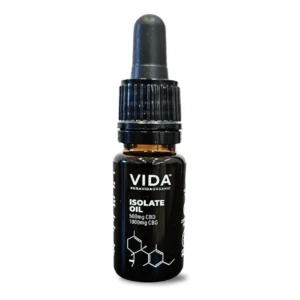
CBD/CBG Oil Isolated CBD/CBG
Isolate CBD Oil 5 percent / CBG Oil 10 percent – 10 ml (500 mg CBD / 1000 mg CBG)
CBD Oil Isolated CBD
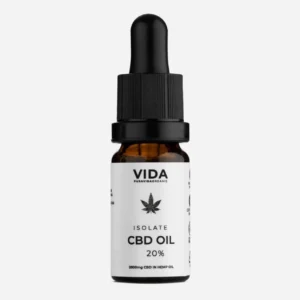
CBD Oil Isolated CBD